
A small group of BuDS volunteers who are passionate about neurodiversity and learning disability issues came up with some ideas of what we could do to mark Learning Disability week this year. In the end, it was agreed that we would visit a couple of local services to showcase what they offer to people with a learning disability. The purpose of our visits was to find out what the services had to offer before the Covid-19 pandemic began, what happened during the early days of the pandemic, and how the service has evolved and changed since. Below is the first of our reports.
Introduction
Thrift Farm is a 56-acre site in Whaddon, near Milton Keynes. It provides a work-based environment for people with mental health issues and learning disabilities, and has operated for over 40 years. It is used as a placement area for professionals such as nurses and social workers, in order to help them gain an understanding of the wide-ranging abilities and needs of people with learning disabilities and mental health issues.
Life At The Farm Before Covid-19
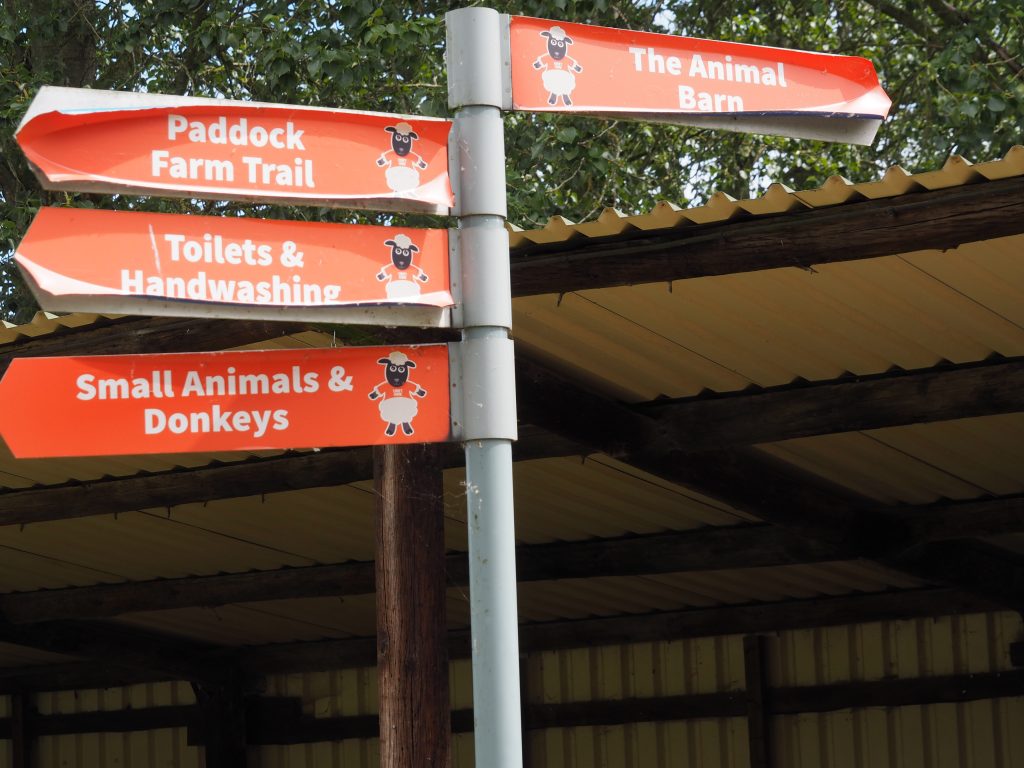
Thrift Farm was a Buckinghamshire County Council run establishment, but as part of the Council’s plan to reorganise day care, it was proposed that Thrift Farm would close. This was because it was commercially unviable and was losing money. There was great opposition to the closure plan. Parents, staff, and other interested parties and organisations (including BuDS) got involved in the campaign to save the farm. A consultation and a tendering process was initiated, which lasted about 18 months. This was extremely unsettling for the clients who did not know if they would have a place or not at the farm in future. Buckinghamshire Council eventually awarded a contract to manage the site to a large farm/childcare enterprise. A clause in this contract ensured the continuation of the adult day care services, and the directors of the enterprise were very supportive of this provision. However, their remit was to make the site commercially viable. It had been planned that the change of ownership would happen in early 2020. However, Covid-19 happened!
Life During The Early Pandemic
During lockdown, the farm offered opportunities for only the most vulnerable people with mental health issues – about 5% of the total number of clients. These clients got involved with the working farm side of things, working with a small network of staff who were continuing to take care of the animals. The staff also contacted the other clients daily via Zoom. They offered activities such as ‘keep fit’ exercises, and sent out activity packs for people to use while at home. This was a very difficult time for everyone, and the clients missed the structure and social opportunities the farm provided.
New Beginnings Upon Re-Opening
The farm is now open to the public again, and all but one client has returned. Working closely with the adult care services manager and listening carefully to the views of staff and clients, there have been a number of exciting new developments at the farm. Clients have been able to access these since Covid-19 precautions were lifted and activities resumed, despite the ongoing Covid-risk. These new developments include Kids Play developing a nursery on site, and a new Café, ‘The Potting Shed’, which opened in April 2022. Also in April 2022, a full Garden Centre was opened to supplement the farm’s small plant sales.

About The Farm
The farm is a working farm. It has a range of animals:
- Horses, donkeys, and ponies
- Pigs
- Cows
- Sheep
- Goats
- Rabbits and Guinea Pigs
- Alpacas
- Chickens
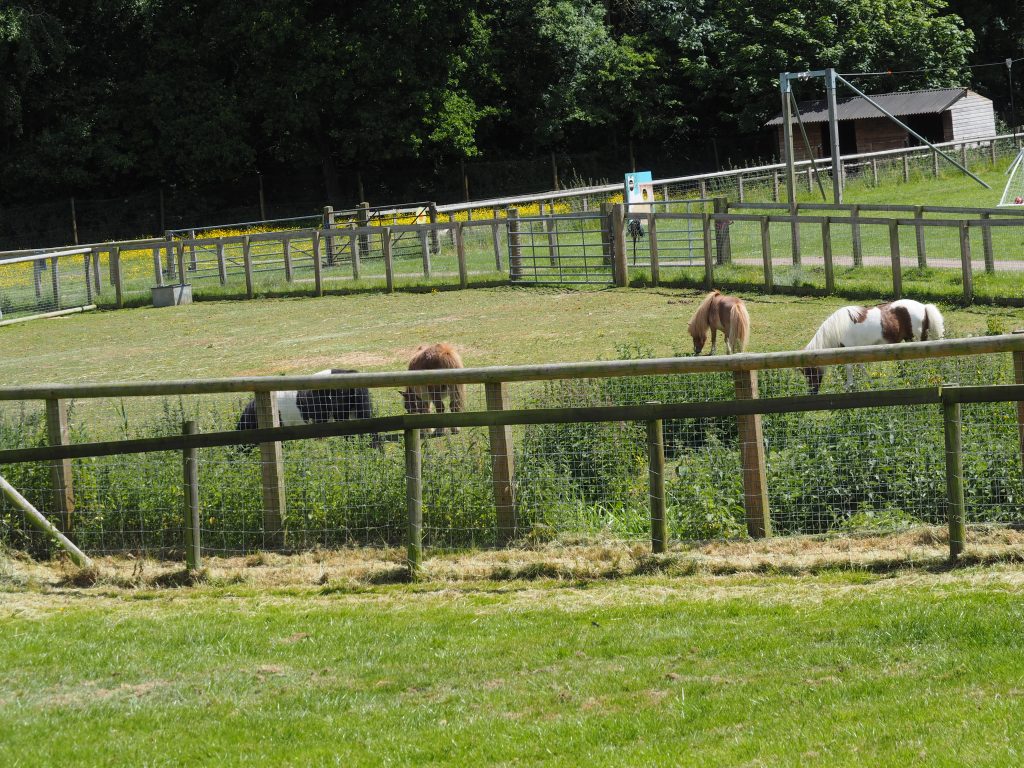
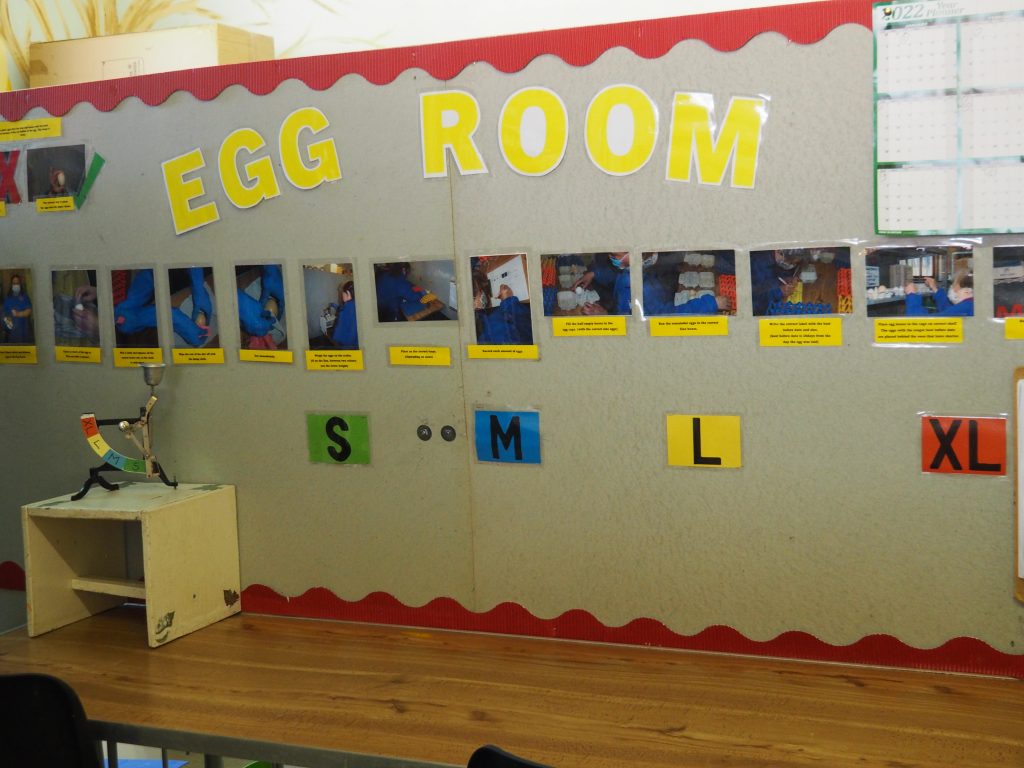
Visitors to the farm can wander around and see the animals, as well as visit the petting area where children can stroke the animals. The chicken’s eggs are also collected, cleaned, sorted, and sold. This is a very popular area for clients, and is seen as a relaxing and calming area.
Play Area
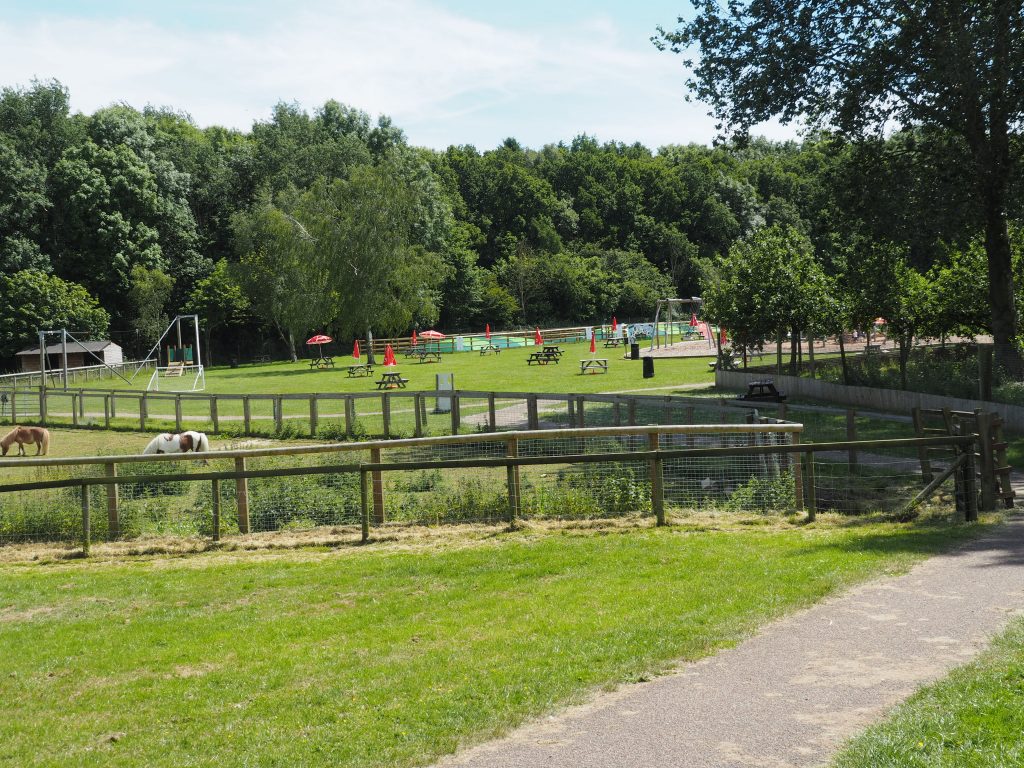
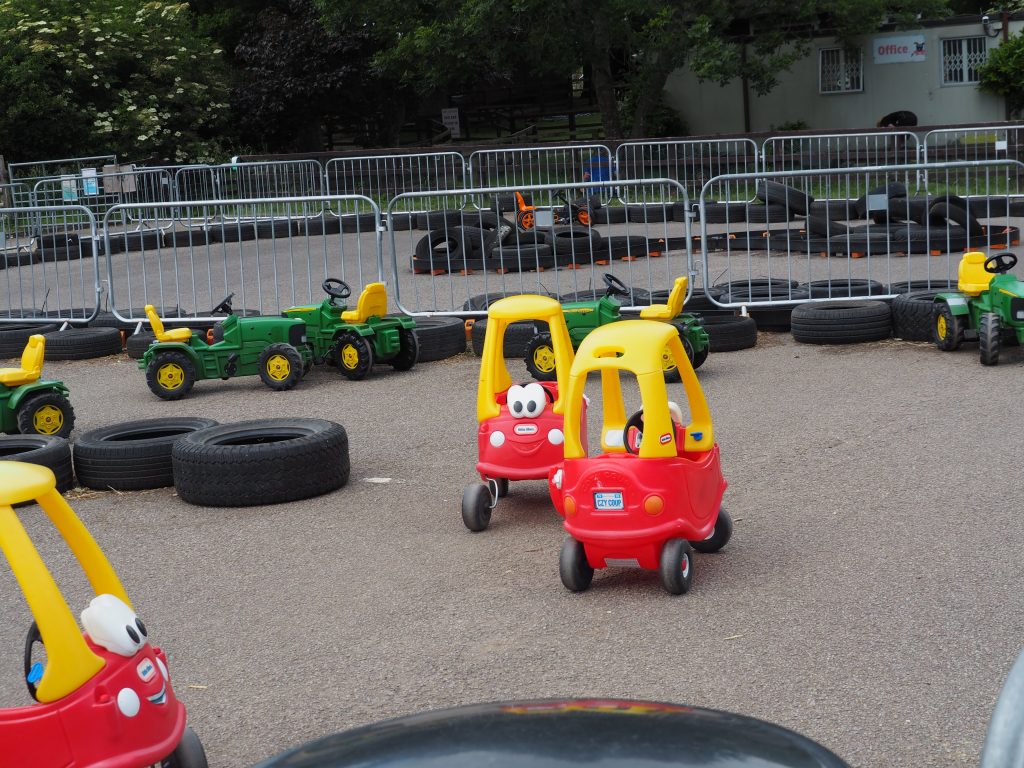
A play area has also been developed. There are now bouncy cushions, a zip wire, a climbing area, small pedal go-carts, and other ride on toys.
Social Care
The clients for social care come from Milton Keynes, Aylesbury, other parts of Buckinghamshire, and Bedfordshire. When a client joins the team, they are given a choice of where they would like to work – there is often a waiting list for popular jobs. The clients are given a uniform, with a different coloured polo shirt for the different areas they work in. The farm currently provides places for 60 clients during the week, but it is hoped that this will expand to 100 by the end of 2022.
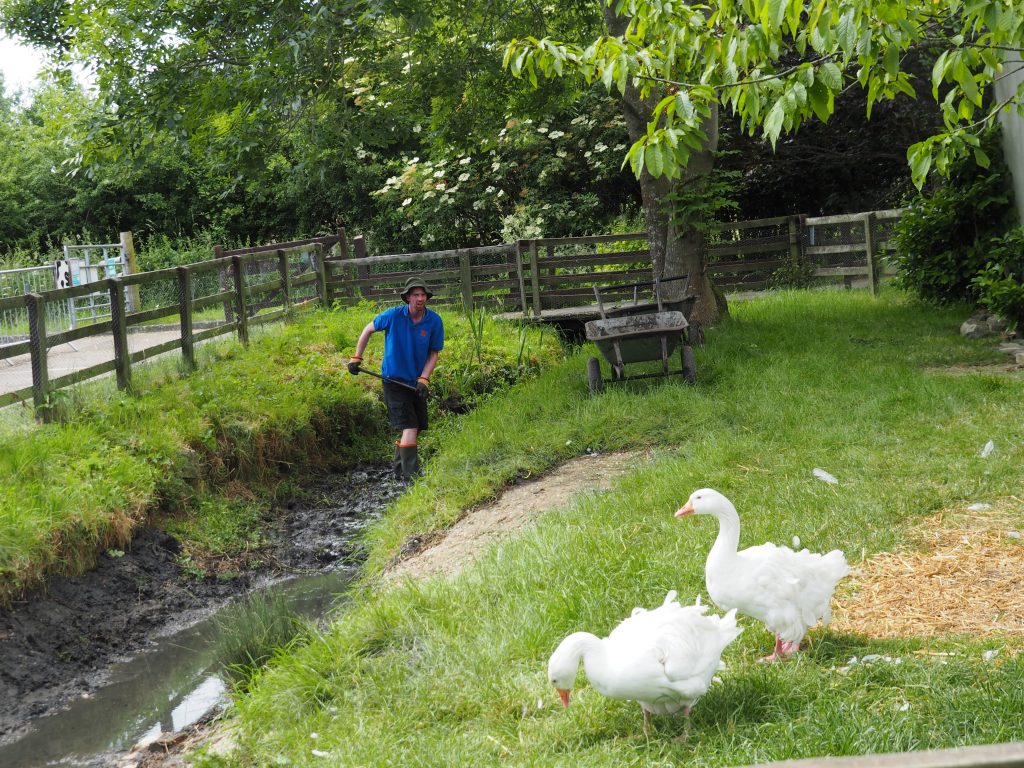
On our visit we met with a number of clients, all of whom said how much they enjoy coming to the farm and how much they had missed it during its closure. Some are now sharing their newly acquired skills and acting as mentors to others, while others are starting to be employed part-time as staff.

The new Café and Garden Centre have provided opportunities to develop a variety of work-based skills. For example, the Garden Centre provides opportunities for customer interaction and sales, as well as being a sales outlet. It sells plants grown by clients interested in horticulture, and a variety of handmade goods made by clients working in the craft centre. The Café provides a sales outlet for food produced by clients working on the farm and it’s the kitchen, as well as providing experience in customer interaction and using the till. All the work areas, including the Café and Garden Centre, have a quiet area where clients can go for some down time or a break if required.
The clients have reviews every three months, where goals are set and they are given the opportunity to request role changes.
Future Plans For Thrift Farm
An allotment is going to be created in the next few weeks to allow the growth of vegetables which could hopefully sold in the Café and Garden Centre.
There are also plans to expand the current small woodworking area into the back of the current Garden Centre. This would mean woodwork opportunities for clients would be increased.
There is also plenty of land available for future buildings in the future if required. This seems very likely, as in order to increase the number of clients, it is essential that there are enough jobs for them to do.
It is being proposed that farm could be opened to the elderly, and people with dementia. There are also proposals to allow interactions between the children’s nursery and other clients, although a risk assessment would need to be undertaken to safeguard all concerned.
Conclusion
Thanks to the ethos and vision shared by the commercial backers and management and the committed leadership and management of the adult social care team, it looks as though Thrift Farm is now becoming financially viable as was always intended. It is a truly inspiring place to go to.
Covid-19 Risk Assessment
BuDS assesses the risk of meeting someone infected with Covid-19 at Thrift Farm as extremely high (June 2022). Additionally, people with a learning disability are assesses by NHS England as one of the groups most likely to be seriously ill or die if they catch Covid-19 (extremely clinically vulnerable). BuDS does not recommend that people with learning disabilities expose themselves to the risk of catching Covid-19, at Thrift Farm or anywhere else. To read all of our advice and articles about Covid-19, please use the link below.
More Information
To read other articles from our Learning Disability team, click here: https://buds.org.uk/category/our-work/neurodiversity-and-learning-disability/
To find out more about Thrift Farm, and the services they provide, click here: https://www.thrift-farm.co.uk
To read BuDS’ articles about Covid-19, and understand the risk it still poses, click here: https://buds.org.uk/category/our-work/iag-covid-19/
The visit was conducted by Ann and Mary, of the BuDS Learning Disability team, and this piece is adapted from Ann’s summary of the visit.