
Post updated 10 Aoril 2026
There is now a fragile ceasefire in the US, Israeli and Iranian war, and we have taken this opportunity to update our information. Although the fighting is partly stopped, the economic impact of the war is still affecting people all over the world, including here in the UK. Disabled people, as always, are hit hardest by these impacts.
What’s Happened & Happening (as of Friday 10 April)?
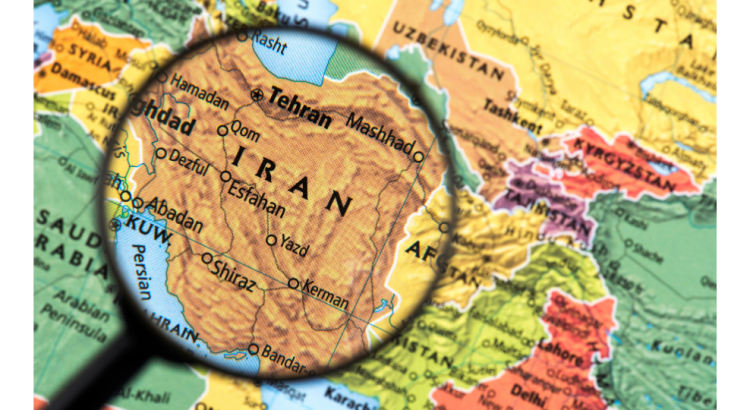
The United States and Israel jointly attacked Iran on 28 February 2026. At the time, the US said that their aim was to stop Iran attacking other countries by destroying military targets, mainly Iran’s missiles and missile factories, airbases, navy ships and port facilities. The US said they also wished to stop Iran ever making a nuclear bomb. Some US officials (but not the US government) also said that the US wanted to collapse Iran’s ruling government. The US called this activity Operation Epic Fury.
From 28 February to 2 March, the US and Israel carried out a massive missile and bombing attack on Iran. The US mainly attacked military targets but the Israeli air force mainly attacked Iran’s government and leadership, killing nearly all the senior members of the Iranian government including Ayatollah Ali Khamenei. Iran retaliated by attacking US military bases in the Gulf states.
From 3 March, the war widened from Iran to other Gulf States. Iranian militia groups in Iraq, Lebanon, Syria and Yemen attacked US and Israel targets, and the US responded by attacking the militia groups. The Iranian war became a regional war. Russia started helping Iran with intelligence and satellite information that made Iranian missile attacks more accurate.
From 10 March, Iran started using mines in the Strait of Hormuz, and telling shipping that they would be attacked if they moved through the Strait. Because so much oil and gas have to come through the Strait, this caused oil, gas, petrol and diesel prices all over the world to start rising very rapidly. Many countries were badly affected by the rising prices, and important powers like the EU, China and India started pushing for the war to stop.
From 20 March, the US and Israel switched to making more attacks on underground targets in Iran, like missile factories and command bunkers. Iran started to be hit by widespread power blackouts. Iran responded by attacking less well-defended targets in the Gulf States, trying to make the cost of the war too high for the US’ allies in the region. Iranian militia continued to attack Israel.
By 28 March, Iran, Israel and the US had realised that an outright victory in the war could not be achieved. Iran had not collapsed or surrendered, and the US could not open the Strait of Hormuz to tankers by force. The global energy crisis caused by the closure of the Strait was so great that it risked drawing powers like India and China into the conflict. Although the bombing and missile strikes continued on both sides, there was a growing understanding that the war needed to stop.
The US President, Donald Trump, made one last attempt on 7 April to intimidate Iran into surrendering, saying in effect that the US would ‘bomb Iran back to the Stone Age’ and ‘end Iranian civilisation in one night’. These barbaric threats were widely criticised. However, the US in the end accepted a ceasefire proposal put forward by Pakistan.
The ceasefire took effect on 8 April 2026 and is still in effect at the time of writing. However, it is a very fragile ceasefire and it is not guaranteed that fighting will not break out again. In particular, shipping has not yet started to flow freely through the Strait and so global energy prices remain high.
How Does This Affect Me?
Your Safety
The war in Iran and the Middle East has not made you any less safe here in the UK. There is no evidence that the war is likely to make you less safe in the future either. We say this because:
- The UK has not joined in the attacks on Iran, although it has helped to militarily defend the UK’s allies and our own bases against Iranian attacks.
- If you are in the Middle East, if you haven’t already, you should register with the Foreign Office and follow any instructions given by them (or the Government of the country you are in).
- There is very little danger if you are in the UK or other parts of the world. Iran does not have any way to directly attack the United Kingdom. The only risk could come from a terrorist attack (including a cyber attack) inspired by Iran. However, there is no sign of such an attack here in the UK, and UK authorities have already taken sensible precautions.
- The UK doesn’t depend on the Middle East for fuel, key supplies or foodstuffs. See below for more information about fuel issues.
- Iran does not have any way to directly attack the UK or Western Europe militarily, and it isn’t likely that this conflict between the US, Israel and Iran will turn into a larger war, especially now that there is a ceasefire in place.
Oil & Gas Shortages
The UK does not import a lot of oil or gas from Iran or the Gulf States. Most of the UK’s oil and gas comes from the North Sea, Norway, and the US. Some gas does come from Qatar in the Gulf, but there is enough gas available from other places for this not to matter too much.
Because the UK does not depend on oil and gas from Iran or the Gulf States, there have been no shortages of oil or gas in the UK during the Iranian war. It is hoped that the ceasefire will allow oil and gas supplies from the Gulf to resume soon but, even if that does not happen, there is no reason to believe that the UK will experience any shortages.
The UK does not have a current shortage of jet fuel (for airliners). Industry experts warn that the UK might have a shortage of jet fuel in the summer if supplies from the Gulf do not resume over April. If there is such a shortage, some holiday flights may be reduced in number, but commercial air travel is unlikely to be badly affected.
The Price of Domestic Gas, Heating Oil, Petrol & Diesel
Gas
The cost of buying gas in bulk on the open market in Europe has increased a modest amount, far less than gas has risen in price in some other parts of the world. This is because Europe, like the UK, does not rely mainly on gas from the Gulf region.
The price per unit for domestic gas paid by UK households has fallen during the Iranian war, from 6.24 pence per kWh to 5.74p per kWh. This is because the UK Government caps the price per unit which energy utility companies can charge to customers. The current cap was introduced in April and lasts until June.
It is very hard to predict what the next price cap will be for domestic gas. The ceasefire in the Gulf is fragile and the supply of gas from the Gulf could go either way. However, because Europe does not rely on gas from the Gulf, the cost of buying gas in bulk on the open market in Europe is not likely to increase very sharply. The Government can also adjust the price cap by changing the other costs which energy utilities have to pay alongside buying gas, such as levies and taxes. So even a rise in the cost of buying gas in bulk on the open market in Europe doesn’t necessarily mean a higher price cap. The best guess is that any rise in the price cap, which would affect domestic gas bills, will be modest rather than huge.
Heating Oil
The price of heating oil or kerosene in the UK is not capped, and the price charged to UK consumers has rocketed by 40 to 60% since the Iranian war started. This is partly explained by significant rise (around 20%) in the price of crude oil, from which kerosene is refined, and by global supply difficulties which have pushed up import prices.
The Government announced on 20 March that it intended to regulate the heating oil (kerosene) market, but no details have yet been announced or introduced. The Government has also made £53 million available to help low-income and vulnerable households struggling with heating cost increases. This support was available through the Crisis & Resilience Fund from 1 April. You can apply for this support through your local council.
Petrol
Petrol prices for bulk or wholesale purchases on the open market have gone up around 40% since the Iranian war started. However, petrol retailers had stocks of petrol in hand which they had bought before the war, at cheaper prices, and they have been able to sell this first. This means that, so far, petrol prices paid at the pump have only increased by around 15%.
However, if wholesale prices remain at their present levels, petrol prices at the pump will keep rising as the more expensive petrol feeds through the system. If the full wholesale price is passed on to motorists, petrol prices could possibly reach around 172 pence per litre. If, on the other hand, the ceasefire in Iran holds and wholesale prices stabilise or fall, the price at the pumps will also stay the same or fall back.
The Government has not said that it will control petrol prices or regulate the petrol market. They have extended the freeze on fuel duty (a tax on petrol sales) to August 2026, but this has just avoided a tax rise in the price of petrol rather than controlled its price. The only thing the Government has done is make it the law for petrol stations and garages to supply their current prices to a new monitoring system, Fuel Finder. The Government and regulators like the Competition & Markets Authority will use the Fuel Finder to stop unfair pricing. Despite its name, the Fuel Finder is not designed to help motorists find the cheapest petrol.
Diesel
Diesel prices for bulk or wholesale purchases on the open market have gone up very sharply, by around 75% since the Iranian war started. However, diesel retailers had stocks in hand which they had bought before the war, at cheaper prices, and they have been able to sell this first. This means that, so far, diesel prices paid at the pump have ‘only ‘increased by around 25 to 30% so far.
However, (just as for petrol) if wholesale prices remain at their present levels, diesel prices at the pump will keep rising as the more expensive diesel feeds through the system. If the full wholesale price is passed on to motorists, diesel prices could possibly reach around 223 pence per litre. If, on the other hand, the ceasefire in Iran holds and wholesale prices stabilise or fall, the price at the pumps will also stay the same or fall back.
Just like for petrol, the Government has not said that it will control diesel prices or regulate the diesel market. They have extended the freeze on fuel duty (a tax on diesel sales) to August 2026, but this has just avoided a tax rise in the price of diesel rather than controlled its price. The only thing the Government has done is make it the law for diesel stations and garages to supply their current prices to a new monitoring system, Fuel Finder. The Government and regulators like the Competition & Markets Authority will use the Fuel Finder to stop unfair pricing. Despite its name, the Fuel Finder is not designed to help motorists find the cheapest diesel.
The Price of Food and Other Goods
It might be a surprise to you to know that the prices of food and other consumer goods in the UK have not significantly increased because of the Iranian war. Inflation (the rate by which prices go up) has remained around 3%. As is usual, some things got cheaper in March, and some things got more expensive. However, there is no evidence yet that the Iranian war and increases in fuel prices have started to affect the cost of everyday goods and services (other than fuel itself).
The price of fuel does affect the price of goods and services. Fuel is needed to generate electricity, produce goods, farm crops, heat buildings and factories, and transport goods and people. If fuel prices remain high, producers and retailers will have to charge customers more to cover their higher costs, resulting in higher prices for nearly everything people buy and use. So far, however, this hasn’t happened in the UK to any great extent.
If the ceasefire holds in the Iranian war, and the Strait of Hormuz stays open, global oil prices may stabilise or fall. This in turn will make it less likely that high fuel cost will drive bigger prices for goods and services in the UK. But if the ceasefire breaks down, or tanker movement is restricted, global oil prices will stay high or even get higher, and that makes bigger prices for goods and services in the UK more likely.
Questions?
If you have any further questions or comments, please let us know by filling in the form below. We will answer them and may add to this page too.