
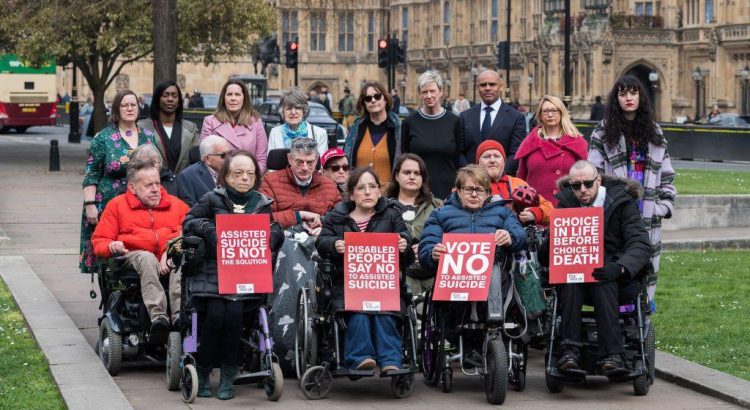
BuDS Disability Service has welcomed the Parliamentary failure of the Terminally Ill Adults (End of Life) Bill today, Friday 24 April. This Bill is commonly known as the Assisted Dying or Assisted Suicide Bill. This failure at Westminster marked the defeat of all the Suicide Bills attempted to be rushed through British parliaments by lobbyists in the last two years.
Welcoming the Parliamentary failure, BuDS said:
“The failure of the Bill is good news for dying people, for the NHS and for Britain. We say this for two main reasons:
- This Bill would have done nothing to address the humanitarian concerns that many people have about end-of-life care. It was a lobbyist Bill designed to introduce suicide on demand for NHS patients, something which no political party or politician had ever even mentioned before this Bill was introduced.
- The Bill was dangerous because it did not protect the basic human rights of British people. This was said from the start by disability and human rights groups like BuDS but was dramatically proven when the Lord Chancellor had to prevent a similar Bill, in the Isle of Man Parliament, from becoming law on these exact grounds”.
Much has been said about how this Bill has been ‘blocked’ by unscrupulous Parliamentary tactics, especially by ‘unelected Lords’. The reality is rather different. This Bill was not Government legislation, but a Private Members Bill (PMB). PMBs cannot be used to make complex and controversial legal reforms because they do not have enough Parliamentary time, even in the best of circumstances, to make such broad changes. The Terminally Ill Adults Bill was doomed to fail from the start by the incompetence of its sponsors and multimillionaire lobbyist backers, not by any Parliamentary blocking.
The passage of this Bill through Parliament has proved that the welfare of dying people and the protection of vulnerable people cannot be left to opaquely-funded, multimillionaire lobbying groups, especially those ideologically committed to suicide and euthanasia. A properly informed national conversation about end-of-life care and assisted suicide must happen before there is any future attempt at legislation. A Royal Commission or similar independent official body must now look at all the issues, consult widely, gather objective evidence and make recommendations. BuDS and other disabled-led organisations are ready to play their part in that conversation.