Articles in Reach4Work

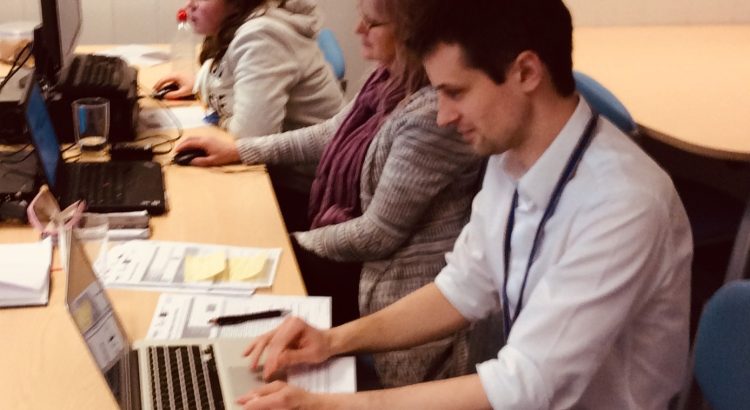
Three people sitting at a long desk working on laptops and desktop computers. There are papers and glasses of water also on the table.

About Reach4Work

Since 2010, BuDS has helped its volunteers towards work. Our Reach4Work project, created in 2018, codified and developed that help, creating a professional wrap-around service for our disabled volunteers who want to move into or closer to work.

BuDS is exceptionally successful at moving disabled jobseeker volunteers into or closer to work…

Read More
A green background with white text of "Easy read" in the top left corner, and a white silhouette of a person reading on the right hand side. Copyright Devon Partnership NHS Trust

About EasyRead

BuDS publishes some of our articles in EasyRead format. These articles are produced by our volunteers, and so our capacity is limited. Over time we will publish more EasyRead articles. Please be patient with us whilst we grow this project.

Read More
A white woman wearing headphones with a microphone looking into the camera and speaking

About The Enquiries Project

The BuDS Enquiries Team answers questions and queries from disabled people about a very wide range of issues. We try to fill the gaps left by other support services and helplines, so we often support disabled people with complex and difficult issues.

Getting Help From The Enquiries Project

Any disabled person in England can contact the Enquiries project for help. Parents, carers, and supporters can also contact us on behalf of a disabled person. We don’t have strict rules about who we can help: we will always do our best to support you and will let you know immediately if, for any reason, we can’t.

The Enquiries project is staffed entirely by volunteers, many of them disabled people themselves. We are often very busy and there may be a delay in getting back to you. We are sorry about this, but we can only do so much. The Enquiries project is not a crisis or emergency service.

Read More
An autistic school child in uniform looks at their teacher

About The BuDS SEND Transitions Service

The BuDS SEND Transitions Service is a three-year project funded by The Rothschild Foundation. The purpose of the SEND Transitions Service is to improve the experience of disabled children and young people moving through key transitions within school education and from school education into work or further/higher education. It will do this by: 

  • Investigating and reporting on services supporting disabled children and young people.
  • Assessing to what extent the needs of disabled children and young people are met by existing services.  
  • Proposing new and improved services to eliminate gaps and address deficiencies, including new BuDS and Reach4Work services.

The SEND Transitions Service is made up of workstreams from a number of BuDS projects, principally Fair4All Education and Reach4Work.

To learn more about the Reach4Work workstream, which is looking at disabled young people’s transition from education to employment, click here.

A learning disabled child smiling into the camera and holding up her hands, which are brightly painted with several colours

About Fair4All Education

The Fair4All Education project tackles the most important educational issues facing disabled children and young people, and their parents/carers, in Bucks.

The core of the Fair4All Education project is a ‘working community’ of professionals, parents, carers and disabled young people who are passionate about making a real difference. Working under the BuDS umbrella, the Fair4All Education team works together to define an agenda for action and plan how change will be made to happen.

Read More

About Fair4All Events

Disabled people are often excluded from outdoor public events. This is not because they do not want to attend these events, but because the way the event is organized and staged creates barriers that make it difficult or impossible for them to attend. BuDS’ free-to-use Fair4All event project helps event organisers remove those barriers and attract more disabled people to their events, making them more successful. There are over 40,000 disabled people in Buckinghamshire and over 100,000 families with a disabled member, so being more accessible can significantly boost an event’s popularity and attendance.

Event organisers are often not aware that they are creating barriers which are reducing the appeal of their events. Event management training and qualifications do not usually cover disabled accessibility and inclusion. Disabled people are so used to events not being accessible that most do not even try to attend, which means event organisers do not see the difficulties that disabled people face.

Read More

About IAG Covid-19

The IAG team works tirelessly to produce easy to read, fact-checked and reliable articles about issues relevant to disabled people. During the Covid-19 pandemic, these have included weekly risk posts which break down the latest case, hospitalisation, death and vaccination statistics; analyses of Government policy, and scientific updates about the coronavirus. To read these posts, please see below or visit our Facebook page using the button below:

If you would like to volunteer for the IAG team as a researcher or writer, please visit our volunteering page to find out more.

About The Fair4All Card

What is the Fair4All card? 1. Helps disabled people prove what adjustments they are legally entitled to. 2. Secure photo card for disabled people. 3. Explains how other people can help. 4. Simple statements means it can be used anywhere. 5. Doesn't list any disabilities or conditions.

What is the Fair4All Card Scheme?

The Fair4All Card is a secure, evidence based card that can be used by any disabled person to communicate the reasonable adjustments they need.

We created the scheme in August 2020 and have grown from offering around 12 reasonable adjustments to now offering over 40.

Find out more about the scheme below.

Read More
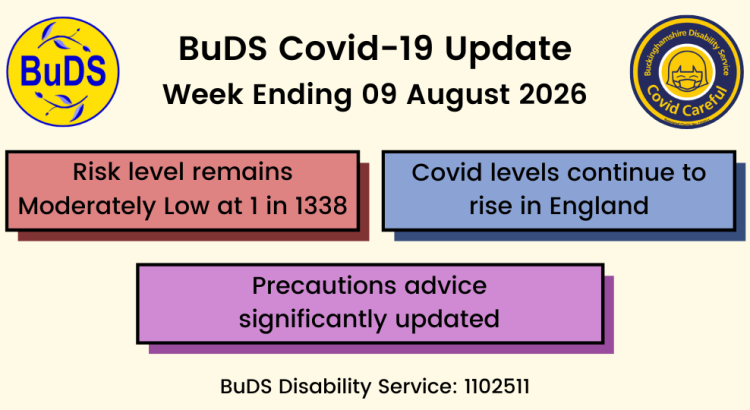
Covid levels continue to rise in England. Risk level remains Moderately Low at 1 in 1338. Precautions advice significantly upgraded.

Covid-19 Risk Assessment: Week Ending 9 August 2026

Covid infection levels in England continue to rise as the summer lull comes to an end. We have significantly upgraded our advice about the precautions that are appropriate in different places in response to this.

That said, infection levels remain historically lower, with 1 in every 1338 people in England now infected as of 9 August. The BuDS Covid infection risk level remains Moderately Low and other respiratory viruses remain at low levels. It is sensible and proportionate to take more precautions in some places now, but there is no need for alarm.  

Read More
A jumbled pile of triangular alert road signs. The signs are white with a red border and have a black exclamation mark on them

Weather & Weather Health Warnings

There are lots of weather and weather-related health warnings issued these days. It can be difficult to know which ones are important and need you to do something. To help you, BuDS has decided that it will start posting the most significant weather and weather health warnings on its own website and social media. That way, if you see that BuDS is repeating or endorsing an official warning, you know it really matters to you as a disabled person. We will only do this for warnings affecting England, not Scotland or Wales.

Weather Warnings

Weather warnings are issued by the Met Office. Their scientists forecast how the weather is going to affect the UK and, if severe weather is expected, they issue a warning.  

Yellow ‘Advice’ Warnings – there are two types of yellow weather warning.

  • The first is advice that the weather is likely to cause some low-level problems for some people.
  • The second type of yellow warning is advice that that the weather may cause serious problems for people, but there is only a low risk of this happening.

BuDS has decided that it will not repeat or amplify yellow weather warnings. This is because we want people to always take seriously a weather warning amplified by BuDS, and yellow weather warnings are often not serious or relevant enough to be worth repeating.

Amber ‘Caution’ Warnings – there are two types of amber weather warning.

  • The first is issued when the Met Office feel that there is a strong chance of severe weather that will disrupt everyday life, cause problems for most people, and make people change their plans and activities. There may be some property or landscape damage and emergencies like power cuts of flooding might occur.
  • The second type of amber warning is issued when the Met Office think that very dangerous weather may occur but there is only a low risk of that happening.

BuDS has decided that it will repeat both types of amber weather warnings. This is because disabled people will be most affected by disruptive weather and we want them to have prompt, accurate information to help them manage the period of disruption.

Red ‘Danger’ Warnings – when the Met Office issues a red weather warning, it means that there is a big risk to people’s life, with widespread damage to buildings and the landscape also likely. Power cuts, flooding and other emergencies are also likely and the Government or councils may have to issue guidance for the public or start up emergency plans. People should not travel during a red warning. Red weather warnings will also usually be sent by emergency alert direct to people’s mobile phones in affected areas.

BuDS has decided that it will repeat and amplify red weather warnings. This is because disabled people are most at risk in weather emergencies and we want them to have prompt, accurate information to help them keep safe.

Health Weather Warnings

Health weather warnings are issued in England by the UK Health Security Agency, or UKHSA. If UKHSA thinks that upcoming hot or cold weather may be a risk to people’s health, they issue an alert. These alerts are only sent about hot or cold weather and not any other threat to health, for example a disease outbreak.  

Although the media report UKHSA weather health warnings, they are not really intended for the general public. They are supposed to be warnings for the NHS, councils and other health and social care organisations, to alert them to an expected increase in demand for their services.

The UKHSA take a lot of things into account before issuing a weather health warning. Health weather warnings are not just about whether the temperatures will be particularly hot or cold, but whether hot or cold weather is expected to have particularly bad effects in people’s health and so make them use NHS and care services more.

Hot Weather Health Alerts

UKHSA look at four things when deciding to issue a hot weather heat alert. These are:

  • Whether the hot weather is likely to make people use NHS services more
  • Whether more people will die than usual
  • Whether the expected daytime temperature will be over 27 degrees centigrade (28 in London)
  • Whether the expected nighttime temperature is much higher than expected

If some or all of these things are likely to happen, the NHS will issue a ‘Heat-Health Alert’. These alerts will be graded as Low, Medium or High

Low Heat-Health Alert – this alert, issued when daytime temperatures are above 27 degrees centigrade (28 in London), tells the NHS and care organisations that demand for health and care services is likely to be higher than usual, 10% more people will die than usual (mostly older and vulnerable people), and hospital and other buildings will become ‘very warm’.

BuDS has decided that it will not usually repeat or amplify Low Heat-Health Alerts warnings. This is because summer temperatures are now regularly above 27C and we would end up repeating a lot of alerts which might mean people did not take notice of more serious alerts.

Medium Heat-Health Alert – this alert issued when daytime temperatures are above 30 degrees centigrade (32 in London), tells the NHS and care organisations that demand for health and care services, especially emergency services, will be much greater than normal. 20% more people than usual will die, and mostly older people or those with health conditions but also children or babies. Patients in hospital or care will be at risk of dehydration, and hospital and other buildings will become overheated. Disabled, vulnerable and older people in the community will be at risk from heat. NHS and care staff availability will reduce.

BuDS has decided that it will repeat Medium Heat-Health Alerts. This is because disabled people will be most affected by hotter weather and the reduced health and care services which will happen in hotter weather. We want disabled people to have prompt, accurate information to help them manage the period of very hot weather.

High Heat-Health Alert – this alert, issued when daytime temperatures are above 38 degrees centigrade (40 in London), tells the NHS and care organisations that demand for health and care services, especially emergency services, will be very significantly greater than normal. 50% more people will die than normal, with people of all ages affected, but especially large numbers of older people. Patients in hospital or care will be at risk of heatstroke and dehydration, and hospital and other buildings may become too hot for use. Disabled, vulnerable and older people in the community will be significantly affected from heat. NHS and care staff availability will be significantly reduced.

BuDS has decided that it will repeat and amplify High Heat-Health Alerts. This is because disabled people are most at risk in heat emergencies and we want them to have prompt, accurate information to help them keep safe.

Cold Weather Health Alerts

UKHSA look at three things when deciding to issue a cold weather heat alert. These are:

  • Whether the cold weather is likely to make people use NHS services more
  • Whether more people will die than usual
  • Whether the expected average temperature will be below 2 degrees centigrade

If some or all of these things are likely to happen, the NHS will issue a ‘Cold-Health Alert’. These alerts will be graded as Low, Medium or High

Low Cold-Health Alert – this alert, issued when average temperatures are predicted to be below 2 degrees centigrade for more than 48 hours, tells the NHS and care organisations that demand for health and care services is likely to be higher than usual, More people will die than usual, mostly older and vulnerable people.

BuDS has decided that it will not usually repeat or amplify Low Cold-Health Alerts warnings. This is because winter temperatures are now regularly below 2C and we would end up repeating a lot of alerts which might mean people did not take notice of more serious alerts.

Medium Cold-Health Alert – this alert is issued when average temperatures are predicted to be below 2C for 5 days or under zero for 48 hours. This alert tells the NHS and care organisations that demand for health and care services, especially emergency services, will be much greater than normal. Significantly more people than usual will die, mostly older people or those with health conditions but also children or babies. Disabled, vulnerable and older people in the community, especially those living rough, will be at risk from cold. NHS and care staff availability will reduce.

BuDS has decided that it will repeat Medium Cold-Health Alerts. This is because disabled people will be most affected by colder weather and the reduced health and care services which will happen in colder weather. We want disabled people to have prompt, accurate information to help them manage the period of cold or freezing weather.

High Cold-Health Alert – this alert is issued when average temperatures are predicted to be below zero for 5 days or -2C for 48 hours. This alert tells the NHS and care organisations that demand for health and care services, especially emergency services, will be very significantly greater than normal. Significantly more people will die than normal, with people of all ages affected, but especially large numbers of older people. Patients in hospital or care will be affected by staff shortages and disruption to supplies. Disabled, vulnerable and older people in the community will be significantly affected by cold and the reduction of homecare services. NHS and care staff availability will be significantly reduced.

BuDS has decided that it will repeat and amplify High Cold-Health Alerts. This is because disabled people are most at risk in freezing conditions and we want them to have prompt, accurate information to help them keep safe.

Finally…

BuDS is helping disabled people to be aware of weather and health alerts through our Health & Disability Information, Advice & Guidance (IAG) project. We want disabled people to have prompt access to accurate and honest information and guidance that they most need in their everyday lives. We receive no grant funding for this work. If you’d like to make a donation, or volunteer to help us in this work, use the buttons below.

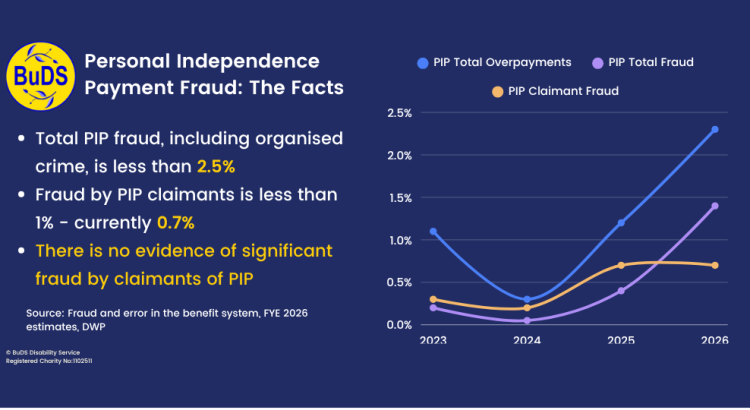
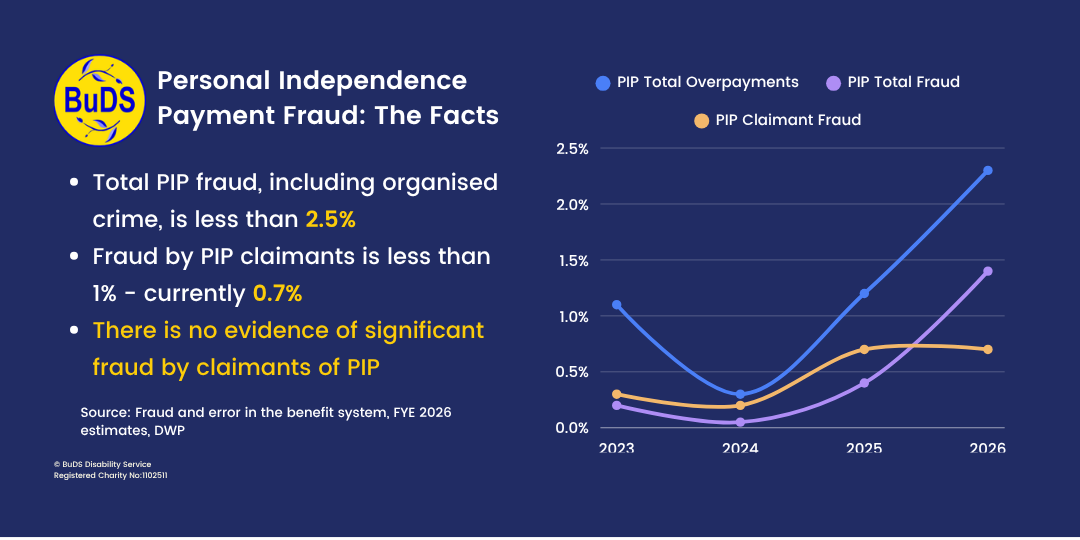
A BuDS Disability Service infographic headed “Personal Independence Payment Fraud: The Facts”. On the right is a line graph with three lines. The blue line shows PIP Total Overpayments climbing from 1% in 2023 to between 2% and 2.5% in 2026. The purple line shows PIP Total Fraud climbing from around 0.7% in 2023 to just under 1.5% in 2026. The gold line shows PIP Claimant Fraud, which climbs from 0.3% in 2023 to 0.7% in 2026. On the left is a bulleted text box with the following text: “Total PIP fraud, including organised crime, is less than 2.5%; Fraud by PIP claimants is less than 1% - currently 0.7%; There is no evidence of significant fraud by claimants of PIP”. Another text box says: “Source: Fraud and error in the benefit system, FYE 2026 estimates, DWP”.

Personal Independence Payment Fraud: The Facts

We’ve produced another handy infographic to help you push back against stories about people fraudulently claiming PIP (Personal Independence Payment). This graphic is free to share or download, and we encourage you to do so. Just use the button below to save the image to your device.

As the infographic shows, the rate of claimant fraud of PIP is less than 1% and there is no evidence of significant fraud by claimants of PIP. Claimant fraud means fraud by individuals, rather than fraud by organised criminals.

Read More
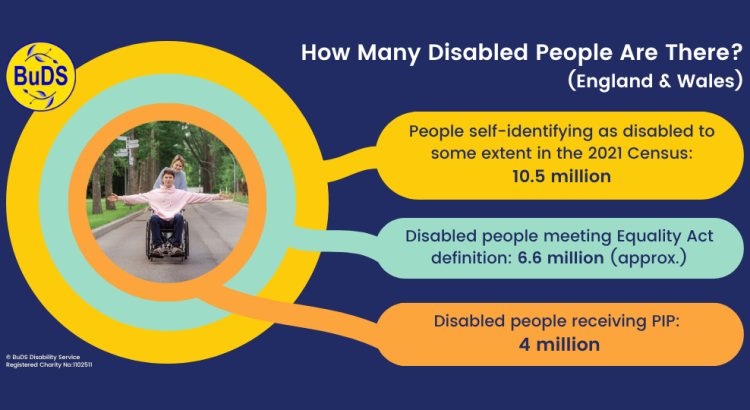
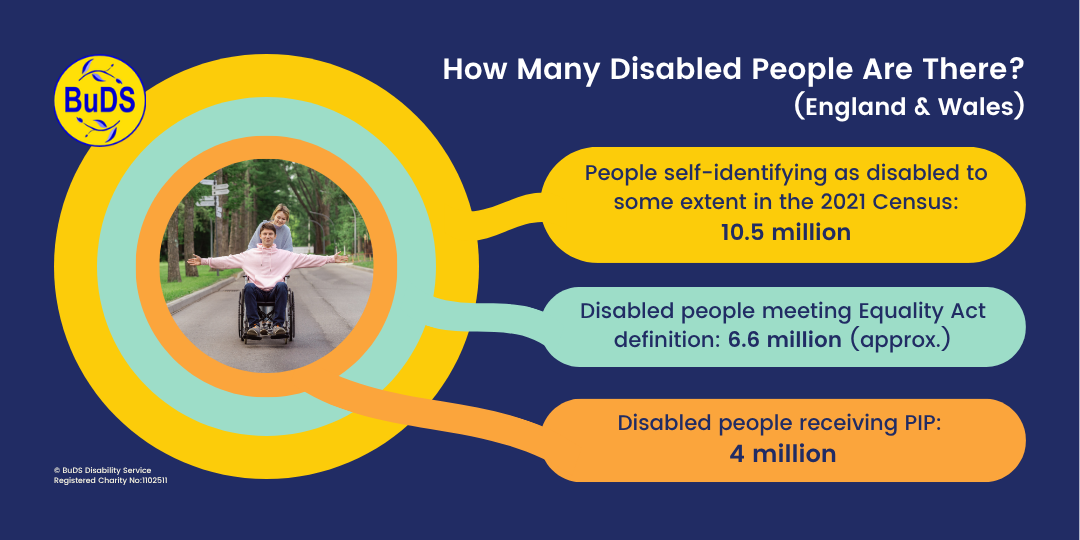
A BuDS infographic headed "How Many Disabled People Are There? (England & Wales)". There are three overlapping coloured circles with labels of the same colour. In the centre of the circles is a picture of a wheelchair-user with his arms spread wide as if in welcome or show. The biggest yellow circle is labelled “People self-identifying as disabled to some extent in the 2021 Census: 10.5 million”. The middle-sized teal green circle is labelled “Disabled people meeting Equality Act definition: 6.6 million (approx.)”. The smallest dull orange circle is labelled “Disabled people receiving PIP: 4 million”.

How Many Disabled People Are There?

This article refers to England & Wales only. Accurate as of August 2026

We’ve produced this handy infographic showing how many disabled people there are in England & Wales. This is free to download and share, and we encourage you to do so. Just use the button below. The public must have access to accurate information when disability is such a hot political topic.

Counting Disabled People

Counting disabled people in England & Wales is much more difficult than it appears. That’s because there are lots of different definitions of ‘a disabled person’.

Census 2021 – 10.5 Million

The Census in 2021 asked people if they had a long-term physical and mental condition and, if they answered yes, asked them whether that condition affected their ability to do everyday activities ‘A lot’, ‘A little’, or ‘Not at all’. The Office for National Statistics count everyone who said their ability was affected ‘a lot’ or ‘a little’ as a disabled person. That’s 10.5 million people in 2021 in England & Wales (this will be larger now).

Equality Act – About 6.6 million

The Equality Act 2010 protects ‘disabled people’ from discrimination. The Act defines a disabled person as someone with a long-term physical or mental condition which substantially limits their day-to-day life. But there is no registration scheme for ‘disabled people under the Equality Act’, so nobody really knows how many disabled people there are according to the Act’s definition.

You can cross-refer the Census 2021 results with the Equality Act. The 4.9 million people who told the Census that their conditions affect their day-to-day life ‘a lot’ certainly also qualify under the Equality Act, which covers people with a ‘substantial’ limit on their day to day life. At least some of the 5.6 million people who told the Census that their conditions affect their day-to-day life ‘a little’ will also qualify under the Equality Act definition. But nobody knows how many. We have assumed a third of those who told the Census that their life was affected ‘a little’ qualify as a disabled person under the Equality Act, but it could be more, or less.

Receiving Personal Independence Payment (PIP) – 4 million

According to the DWP, around 4 million disabled adults in England and Wales currently receive PIP.

PIP is paid not because a person is disabled (whatever definition you use), but if a person is disabled AND their condition affects them in very specific ways. PIP has 12 complicated tests looking at very specific living activities and how people can move around outdoors. Disabled people score points according to how much their conditions affect their ability to do only the activities specified in the tests. An award of benefit is made if the total point score exceeds certain thresholds. This is very different from Disability Living Allowance, which PIP replaced for adults, which looked much more holistically at how much help people needed in their everyday life and when going out.

Because PIP is a very artificial test of disability, people with different impairments and conditions score points very differently under the 12 tests. This is partly deliberate, because PIP was designed to reduce the cost of disability benefits by a fifth. However, the DWP is as incompetent at drafting legislation as it is at administering benefits, and there are a lot of ‘unintended consequences’ arising from the way the tests work. The courts too have decided that some of the PIP tests work differently in fact from the way the DWP hoped they would. 

Compensation, Not Welfare

PIP is supposed to compensate or refund disabled people for the extra costs of being disabled. The charity Scope calculates that disabled people spend on average around £13,140 more than non-disabled people just to live the same lifestyle. The maximum annual award of PIP, which only 37% of claimants receive, is significantly less than this, at £10,120. The average PIP award is only £6900.

Social Security, Not Welfare

If disabled people fall into crisis, the state then pays to help them cope and to get out of crisis. Providing crisis support is far more expensive than making a small payment to stop the crisis occurring. Supporting a single homeless disabled person, for example, costs councils on average £13,000 per annum, plus the cost of temporary housing, additional GP visits, hospital stays, etc. The reason disability benefits were introduced was to save money, because giving disabled people a small ‘social security’ payment was much cheaper than the alternative.

When politicians talk about cutting ‘welfare’, this is just economic incompetence. If you cut the small social security amounts which help disabled people stay independent and out of crisis, the taxpayer will end up paying much more when those disabled people fall into crisis. BuDS looked into this matter in detail when it was suggested that ‘welfare’ could be cut to fund defence – you can find out more by clicking the button.

Are Too Many Disabled People Claiming PIP?

There is no objective evidence of this. The 4 million adults currently claiming PIP matches up quite well with the 4.9 million people who told the Census in 2021 that their conditions affect their day-to-day life ‘a lot’.

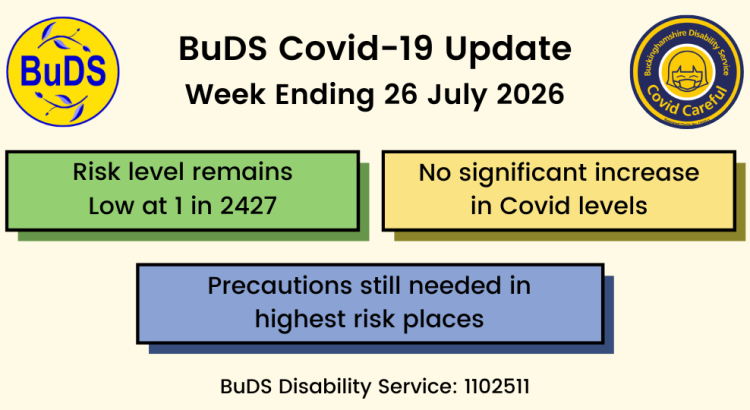
Risk level remains Low at 1 in 2427. No significant increase in Covid levels. Precautions still needed in highest risk places.

Covid-19 Risk Assessment: Week Ending 26 July 2026

Covid infection levels in England have again very slightly increased, but this bump is not significant in terms of the infection risk. The BuDS Covid infection risk level remains Low, with 1 in every 2427 people in England now infected as of 26 July. Other respiratory viruses are also at very low levels, but again there has been a very slight rise.

No Sign of a Covid Wave in England

Covid infection levels in England have bumped a little higher over the last few weeks. We continue to feel that these increases mark the end of a trough of exceptionally low levels. We do not think the data yet shows a substantive rise in Covid infection levels in England, and we see no sign of a Covid wave in any of the available data.

Read More
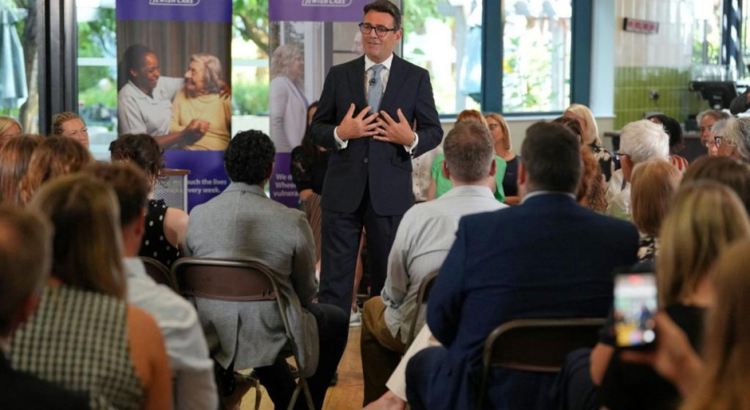
The Prime Minister, Andy Burnham, making a speech. He is a white man with dark hair and glassess dresse in a dark suit. He has his hands spread on his chest. He is standing in a care home with rows of seated people in front of him. Image copyright: BBC

Shelve assisted dying plans until after social and palliative care is fixed, says Andy Burnham

29 July 2026

The Prime Minister, Andy Burnham, has said that the ‘fixing’ of palliative and social care must happen before any steps are taken towards legalising assisted dying or assisted suicide. His comments, made at the launch of the PM’s plans to transform social care for older and disabled people, are widely seen as a rebuke to Lauren Edwards and a handful of other Labour MPs and Peers who are trying to re-introduce a private assisted suicide bill drafted by the lobby group Dignity in Dying.

BuDS Disability Service very much welcomes the PM’s sensible statement. We look to Lauren Edwards to now withdraw her Bill and not to waste the House of Commons’ time on an initiative which is not needed and which will inevitably fail.

The disabled-led charity, which has consistently opposed assisted suicide as a risk to disabled people, said:

“British advocates for assisted suicide claim it is necessary because many people die in pain and distress that could be averted if they took their own life through medically-assisted suicide. It is obvious that this claim relies on NHS and hospice palliative and end-of-life care being inadequate. The PM is perfectly right to say that the first step must be to fix palliative and end-of-life care, and only then to assess whether the claim made by advocates of assisted dying is correct”.

“That said, there are other issues which also need resolving in any future debate about assisted dying. These are:

  • The obvious risks to disabled, older and vulnerable people from any state-sanctioned scheme to help people to take their own life, whether at the end of life or otherwise. BuDS feels that an explicit judicial decision after a full legal process must be required before the state takes anyone’s life, even at their own supposed request. Given that the rights of disabled people are protected in law and that courts are routinely involved in the protection of vulnerable people, it is extraordinary that pro-assisted dying advocates suggested that NHS patients might have their life taken by NHS doctors after a purely administrative process far less rigorous than a DWP assessment for benefits.
  • The risk that assisted suicide is seen by patients, relatives and carers, and the NHS and social care providers, as a legitimate alternative to continued care and support. Once people can ‘choose’ to have their life ended, the pressure – both self-imposed and externally applied – to make that choice will become very strong.
  • British society for hundreds of years has not accepted that suicide is a rational response to life event, Society sees suicide and suicidal ideation as a symptom of distress, fear or mental illness. The NHS, councils, the government and the voluntary sector work to identify suicide risk and reduce it. To legitimise ‘rational suicide’ in some circumstances is to entirely overturn the way British society looks at suicide.
  • The ‘foot in the door’ tactic used by advocates for assisted dying. The ideological policy goal of Dignity in Dying, formerly known as the British Euthanasia Society, of Humanists UK, and of many of the individuals who support assisted dying, is for assisted suicide to be freely available on demand. BuDS thinks that these pro-suicide groups and people are using support for humanitarian assisted dying purely as a stepping stone towards their ideological goal. This is precisely what has happened in many other countries around the world who introduce ‘humanitarian’ assisted dying only for the scope of the suicide scheme to widen later. This issue must also be addressed whenever assisted dying is next debated.”  

(ends)

Date:                29 July 2026

Enquiries:        info@buds.org.uk or message BuDS through social media.

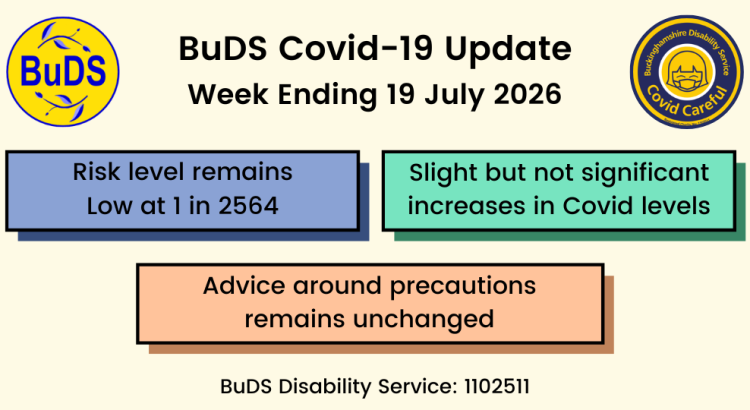
Risk level remains Low at 1 in 2564. Slight but not significant increases in Covid levels. Advice around precautions unchanged.

Covid-19 Risk Assessment: Week Ending 19 July 2026

Covid infection levels in England have again slightly increased, but the risk remains historically low. The BuDS Covid infection risk level remains Low, with 1 in every 2564 people in England now infected as of 19 July. Other respiratory viruses are also at very low levels, but again there has been a very slight rise.

No Sign of a Covid Wave in England

Covid infection levels in England have bumped a little higher over the last three weeks. However, that increase followed a period of historically very low levels. BuDS’ view remains that England has come to the end of a trough of exceptionally low levels. We do not think the data yet shows a substantive rise in Covid infection levels in England.

Read More
Risk level remains Low at 1 in 2758. The summer lull in Covid risk continues. No sign of any Covid wave in England.

Covid-19 Risk Assessment: Week Ending 12 July 2026

Covid infection levels in England have again bumped very slightly higher but remain historically very low. The Covid infection risk level remains Low, with 1 in every 2758 people in England now infected as of 12 July.  Other respiratory viruses are also at very low levels.

This week’s risk assessment is a little later than normal due to holiday absences. We will return to our normal schedule in week commencing 20 July.

Read More
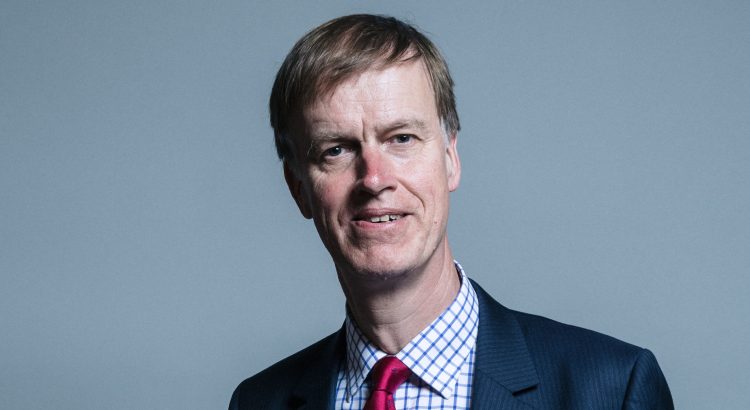
A portrait image of Sir Stephen Timms MP. He is a older white male with short hair, wearing a blue suit and red tie.

Interim Report of the Timms Review of Personal Independence Payment (PIP)

In June 2025, the Government decided to review the main UK disability benefit, Personal Independence Payment or PIP. This review was co-chaired by Sir Stephen Timms, Minister for Social Security and Disability, Sharron Brennan and Dr Clenton Farquharson CBE. The Review is widely known as the ‘Timms Review’.

Before announcing the review, the Government had tried to get Parliament to agree to significant cuts to PIP. These proposed cuts were very unpopular and not supported by many MPs. The Government introduced the Review rather than pressing ahead with the cuts.

On 9 July, the Government published the Interim Report of the Timms Review. The Interim Report is not the final report of the Review. It sets out their thinking so far, and the evidence they are replying on. The Final Report of the Timms Review is due in the autumn of 2026, but may be delayed.

You can use the buttons below to visit the main Government page about the Timms Review and to see the Interim Report.

BuDS’ Response to the Interim Report

BuDS expressed strong concern about the Interim Report, calling it ‘incomplete’, ‘less than honest’ and ‘calculatedly misleading’.

BuDS has engaged with the DWP for nearly 20 years. We think that the Interim Report entirely fails to acknowledge that PIP was designed in 2012 by the then Government primarily to cut the cost of disability benefits by a fifth. This was an objective openly acknowledged by the Government at the time. Many of the faults in PIP noted by the Review, such as the complicated scoring system, the traumatic assessment and re-assessment process, and the use of unaccountable private assessment companies, are not system defects which have arisen over time, but deliberately designed features of PIP. This incomplete and less than honest account of the origins of PIP sets the wrong tone, corrupts the evidence base, and raises concern that the Review is unduly influenced by departmental interests.

BuDS has also noted the repeated references in the Interim Review to overriding cost limits. These include that any recommendations must remain “within the Office for Budget Responsibility’s (OBR) projections for future spending on PIP” (para 4), that “final recommendations must sit within the OBRs projections for future spending on PIP” (para 45) and “The steering group will therefore need to carefully consider how to balance the focus of the Review between rights, fairness, independent living, and sustainability within fixed financial limits” (para 46).

Societal changes are inevitably creating more disabled people. The population is aging, the ongoing Covid pandemic and cost of living crisis are significantly impacting both physical and mental health, and deteriorating health and care services are leading to worsening health. The Review is calculatedly dishonest about these facts.

If the Review has already accepted a fixed ceiling for the amount that the Government is willing to pay to support an increasing number of disabled people, BuDS says, then the Review has no choice but to rob Peter to pay Paul: to cut support from some disabled people to preserve it for others. The Interim Report fails to make this clear, which is another calculated dishonesty.

The Future of PIP

BuDS has also called for ‘meaningful, positive’ reform of PIP so that the benefit helps integrate disabled people into society, rather than exclude them.

Disabled people want to be part of society, but they face barriers which exclude them. Overcoming those barriers costs money, and PIP is supposed to compensate disabled people for the additional cost of simply being a normal member of society. Scope has calculated that households with a disabled person need at least £1100 extra per month just to play a normal role in society. PIP currently contributes less than half that amount on average, so clearly PIP payment levels need to substantially increase.

Alongside payment levels, the PIP application and assessment process needs to be completely replaced. When PIP was designed in 2010-11, the stated intent of the then Government was to cut the cost of disability benefits by a fifth. PIP was designed to achieve that cut, not to meet the legitimate needs of disabled people. The hideously complicated and irrational scoring system, the intrusive and traumatic assessment and re-assessment process, the employment of unaccountable private assessment companies: these all arise from that intention to make disability benefits hard to claim and retain, so as to make cuts.

BuDS thinks that the Timms Review now has the opportunity to sweep away the conscious and deliberate brutality of the past and introduce a positive and life-affirming application and review process for PIP. Disabled people need to be able to freely and easily get the help with the additional costs they face because they are disabled, and to get that support adjusted when their circumstances change. The appalling current system where disabled people fear losing PIP because DWP may arbitrarily change their mind, or make assumptions without evidence, must end.

The new application process for PIP must be streamlined and sensible. So far as possible, disabled people diagnosed with permanent medical conditions with predictable impacts on their daily living and mobility should receive PIP by default. Anyone diagnosed with paranoid schizophrenia or a spinal injury, for example, is likely to face significant additional costs arising from their condition; it is inefficient, wastes taxpayer funds and is brutal and cruel to subject disabled people to a detailed assessment when it is obvious from the nature of their diagnosis that they will face additional costs in living a normal life. And the absurd, costly and harsh DWP practice of making fixed term PIP awards and forcing disabled people into cycles of constant reassessment must end.

Disabled people who work may face extra costs because they are a disabled worker compared to disabled people who do not work, and PIP’s structure should reflect that. The overlapping roles of PIP and Access to Work need to be eliminated. In the same way, disabled people who are students may face extra costs because they are a disabled student compared to disabled people who are not studying, and the overlapping role of Disabled Students Allowance needs to be eliminated. PIP should be a single gateway to the financial compensation for extra costs that disabled people need to support them in their normal lives as normal members of society.

Finally, PIP needs to be seen as an investment by society in disabled people, who make up a fifth of society. With reform of the DWP and with appropriate help, millions of disabled people will be able to stop leading passive, furtive lives, hiding from the DWP, and become productive positive and proud contributors to their society, as workers, volunteers, parents and carers. PIP must become a major driver and enabler of economic and social growth, tapping into a huge latent reservoir of talent, skills and determination.

You can see two press statements from BuDS below.